
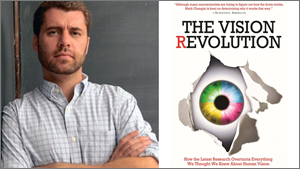
 As research scientists, many of us spend a very large amount of time working on a very small subject. In fact, it’s not unusual for a biochemist to go through their entire career without ever physically observing the protein or pathway they work on. As we hyper-focus on our own niche of science, we run the risk of forgetting to take the blinders off to see where our slice of work fits in to the rest of the pie.
“Seeing” the Big Picture: Vision Revolution Author Mark Changizi
by
How to Work-Up a Reaction
by
Whether brute-forcing through hundreds of mini-preps or setting up so many reactions that you run out of round-bottoms, it’s not unusual to feel like a robot from time to time. It’s normal. However, if that robotic feeling doesn’t seem to be going away and you have a craving for WD40, call your doctor – or mechanic – immediately. Watch this video to see what can happen to an otherwise normal grad student after too much repetition…
Holiday Wishes Do (Sometimes) Come True!
by
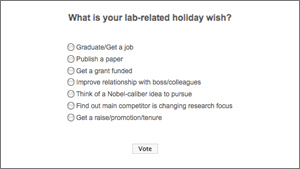 Our Holiday Shopping Guide provided suggestions on how to fulfill the wishes of those around us this holiday season. But what about ol’ numero uno… what about us?
The Scientist’s Holiday Shopping Guide (Soon to be) Endorsed by the NIH
by
 Here at BenchFly, we understand the holidays represent a serious challenge to scientists. To help, we’ve put together a Holiday gift guide to protect your time, reputation and wallet. To ensure there’s no misunderstanding, we’re putting it into the universal language- an NIH grant…
Don’t Be Such A Scientist! An Interview with Randy Olson
by
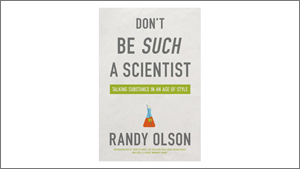 As scientists, we should constantly strive to improve our communication skills. We could spend our entire career hoping to master the art on our own through trial-and-error. Or, we could just learn from great storytellers – and what place communicates a story better than Hollywood? What if a tenured professor actually left their job to go to Hollywood to learn how to communicate and then came back to share everything they learned? But that’s probably never happened – or has it?…
How to Make an Old-fashioned
by
How many protocols can you follow and then actually drink?! Unless you like the taste of silica gel or Tris buffer, probably not many…
Communicating with Non-scientists: It’s a Ball or Tylenol?
by
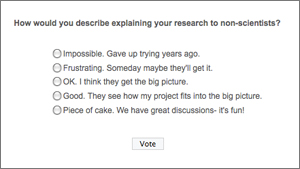 Effective communication is one of the most important skills required of a successful scientist. We’re all accustomed to the process of writing papers, presenting data and giving talks among colleagues. But once we leave the lab, things can get dicey. Think of the dinner party where you’re the only scientist and someone asks “What do you do?”
If You’ve Got a Tongue, You’re Gonna Love These Cheese Balls
by
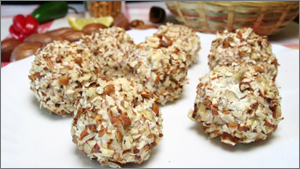 Pete Schweddy (Alec Baldwin) might have done more than anyone in history to put “holiday balls” on the map when he shared his family’s recipe with the ladies of public radio on Saturday Night Live. Well, more than almost anyone…
The Hallmark for Scientists (Free Card Inside!)
by
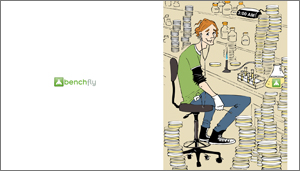 The holidays are upon us, which means we can all look forward to the painful search for the “perfect card” to give to friends and family. There will be rows of cards packed with lame jokes and terrible puns and none will truly relate to the world we scientists live in. But that’s about to change…
What Makes a Successful Scientist?
by
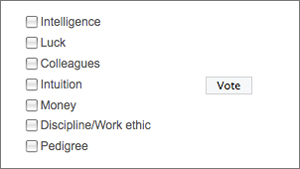 As scientists, we’re as diverse as the DNA that encodes us. Some of us would read papers at the dinner table, if allowed, while others need a break and leave the literature in the lab. Some of us consider an 80-hour week to be normal, while others just don’t consider it at all. Some of us prefer to work in solitude, while others spend half of the day discussing future experimental plans with colleagues.
